Romu
- SUMMARY
- SPECIFICATION
- DOWNLOAD
- VIDEOS
- IN PRESS
- BUY
Romu: A Raspberry Pi board that fits inside your USB port
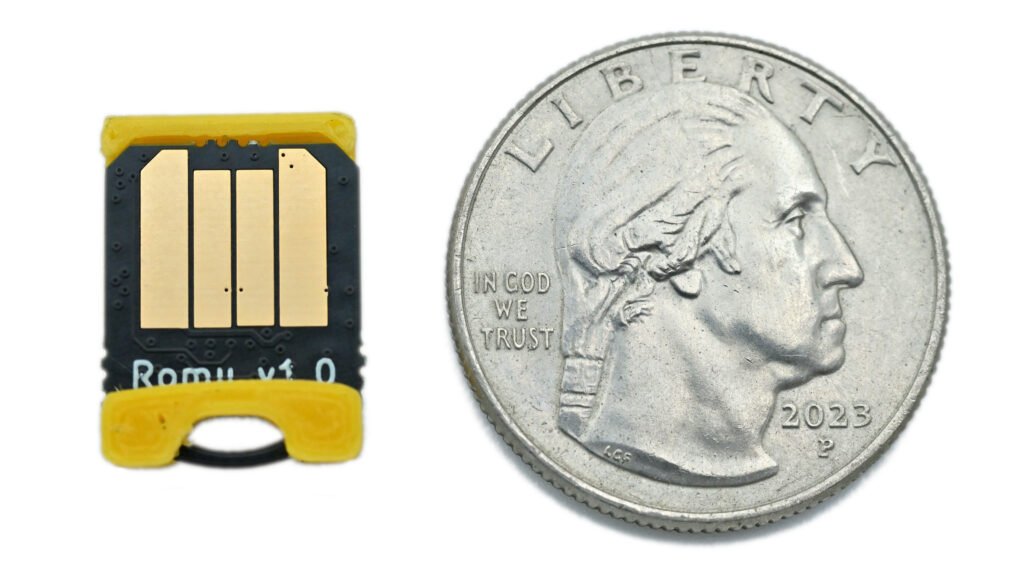
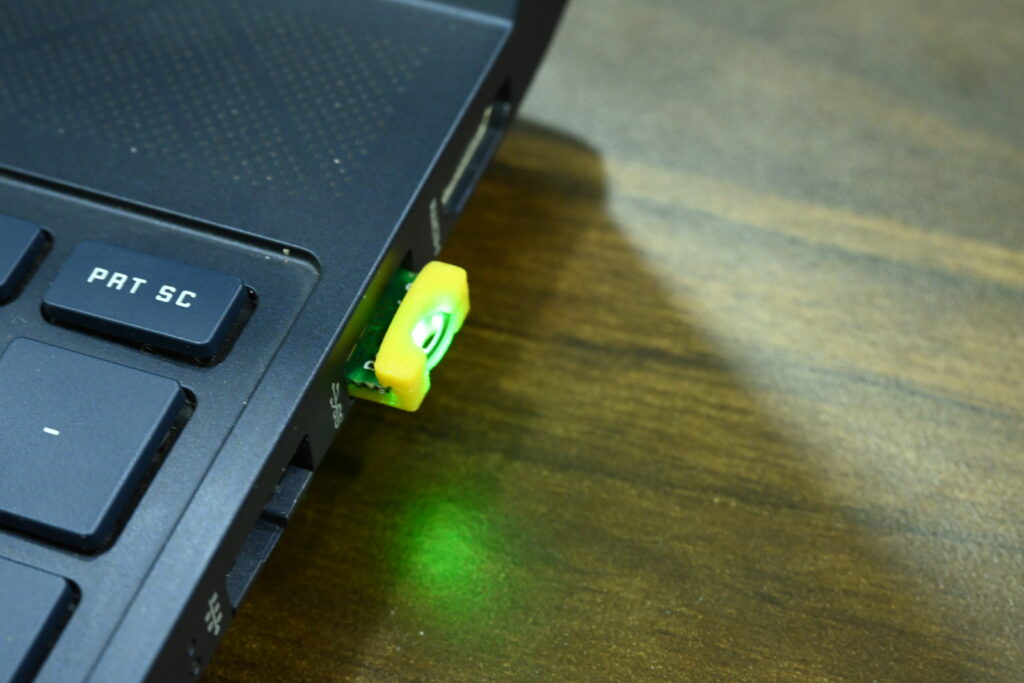
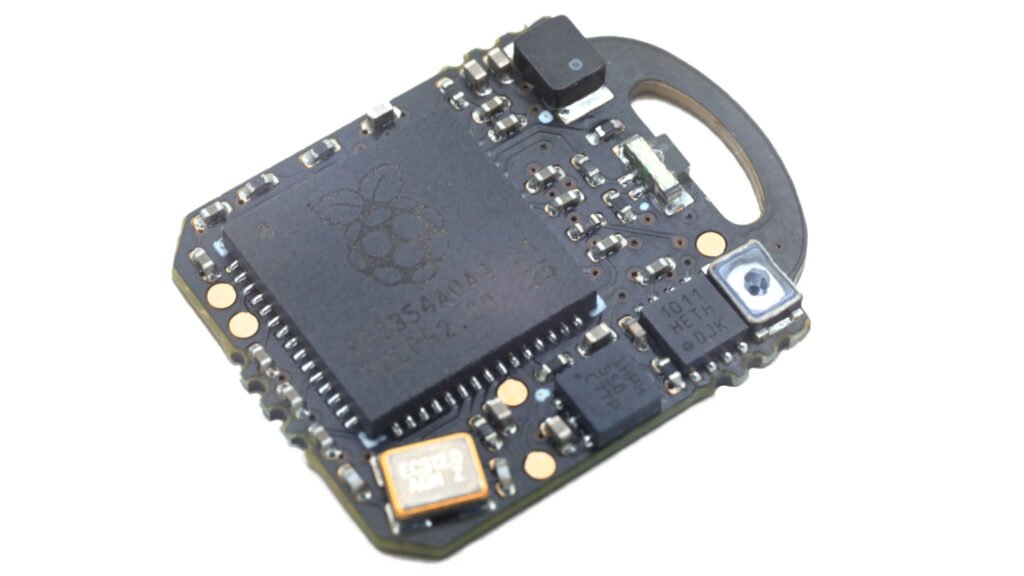
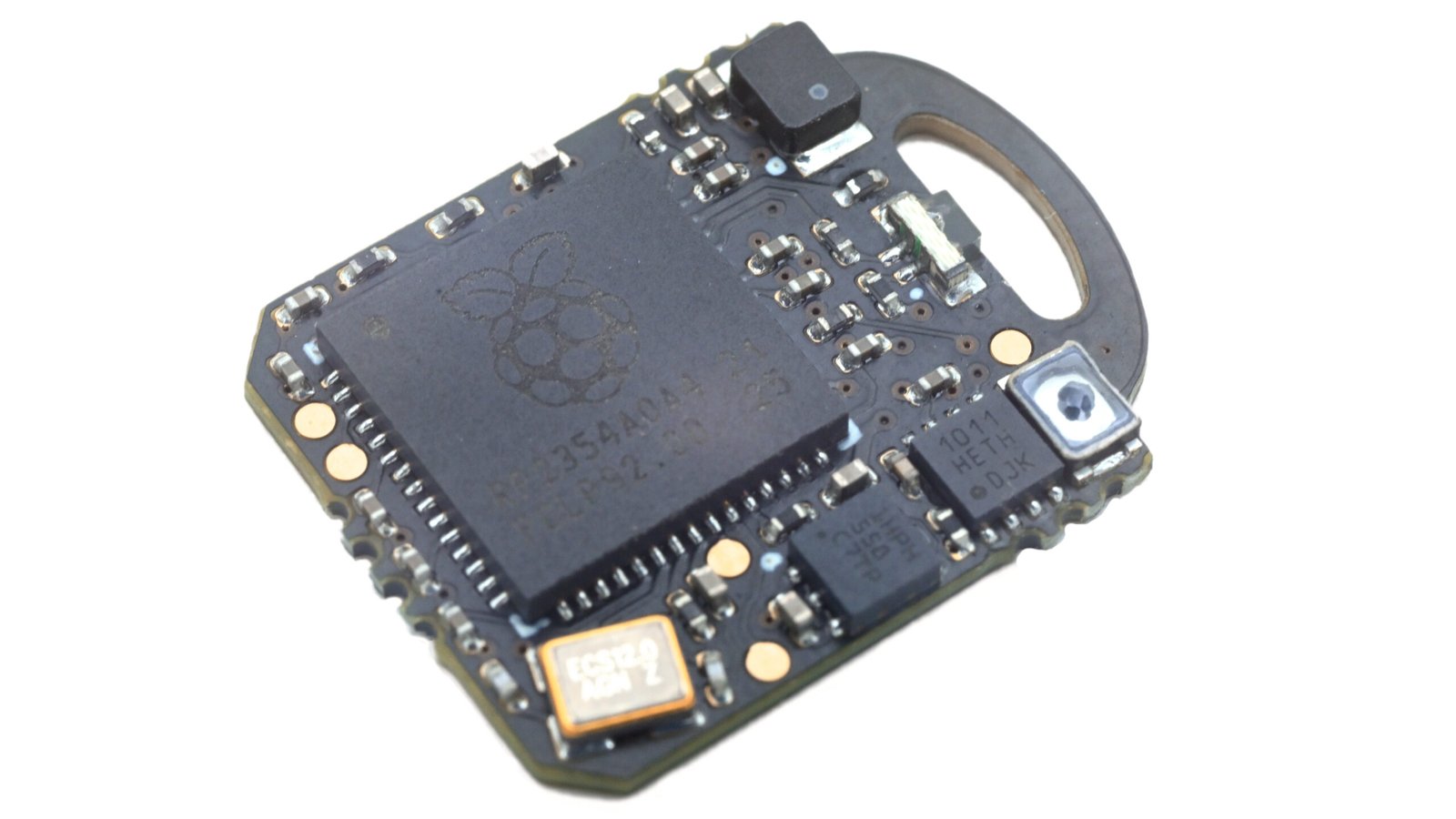
Romu is an ultra-compact, programmable, open-source USB Type-A development board that fits almost entirely inside a computer’s USB port. It acts as a plug-and-play quick-start tool for makers, educators, and engineers. By eliminating the need for cables or external programmers, you can start creating immediately. Whether you are a beginner looking to learn MicroPython or a seasoned embedded developer needing a powerful tool on the go, Romu is designed to be highly approachable and exceptionally capable.
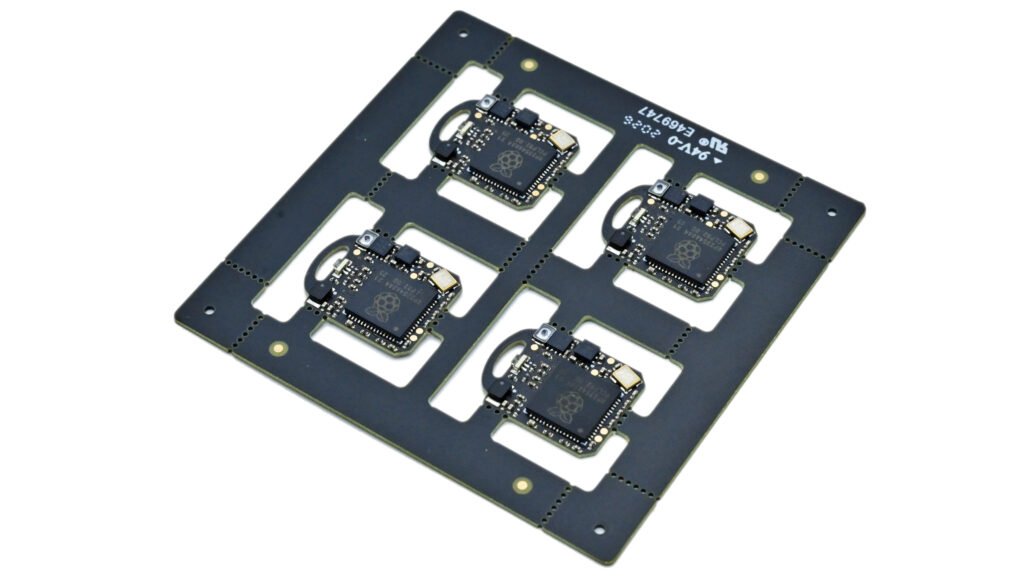
Romu is designed to give you the versatility and power of the popular RP2354A chip in the smallest package possible – a user-programmable computer that fits inside a USB port. With MicroPython support, RGB LED, and capacitive touch input, Romu makes embedded development fun, fast, and accessible for everyone.
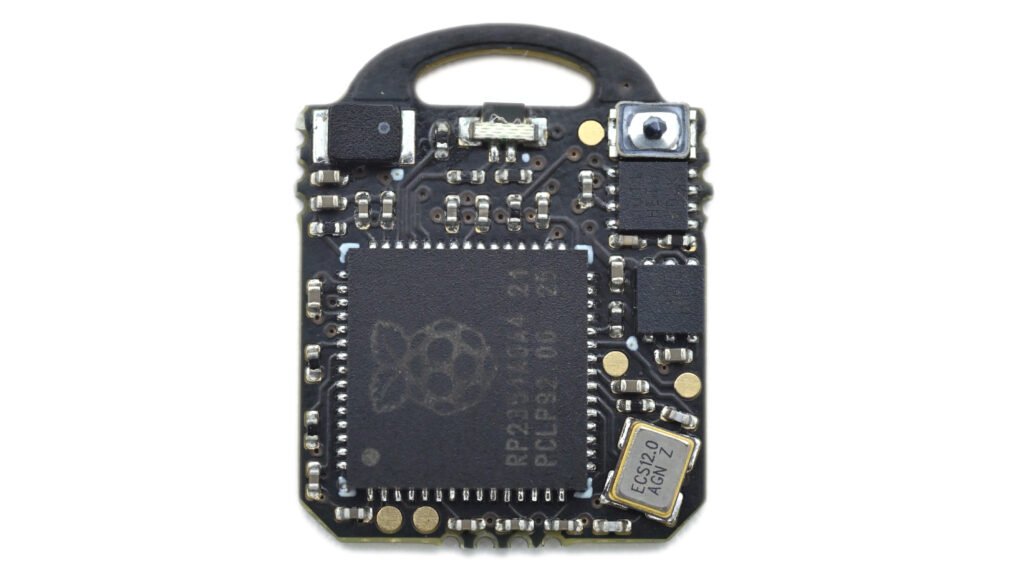
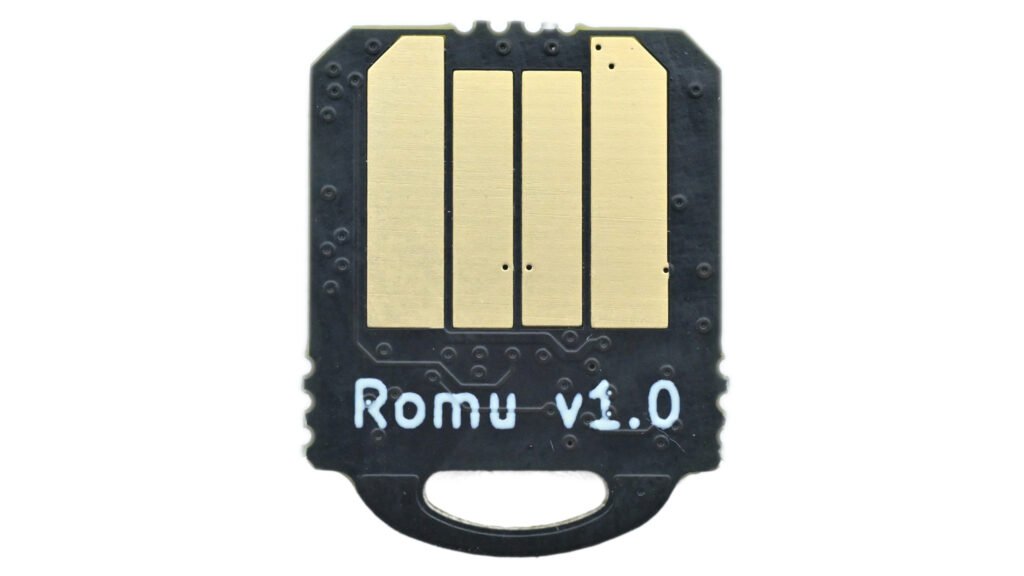
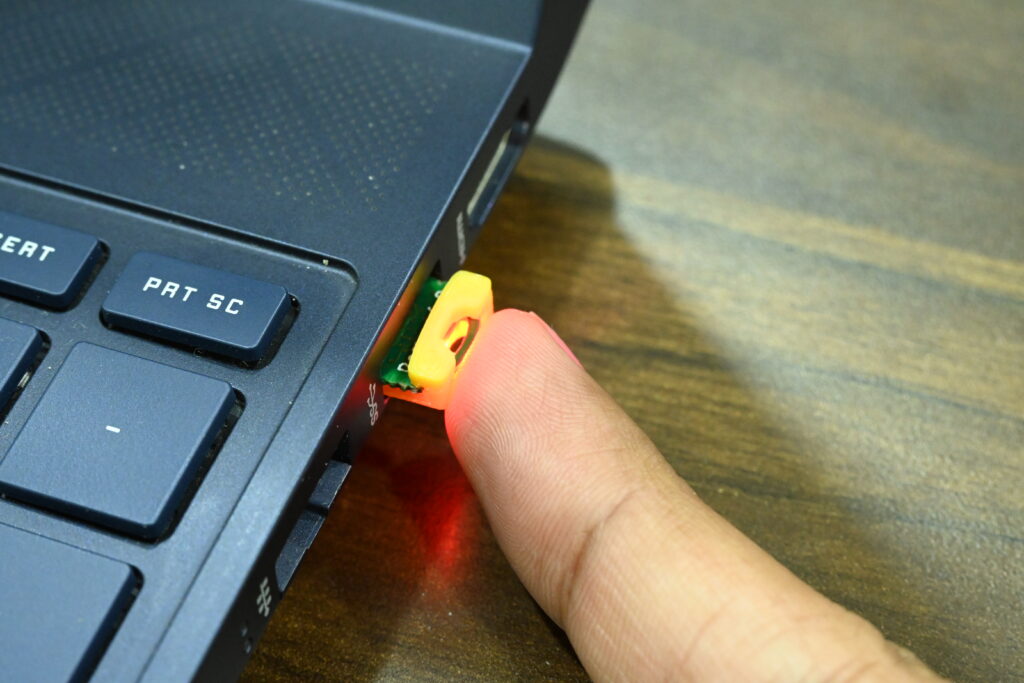
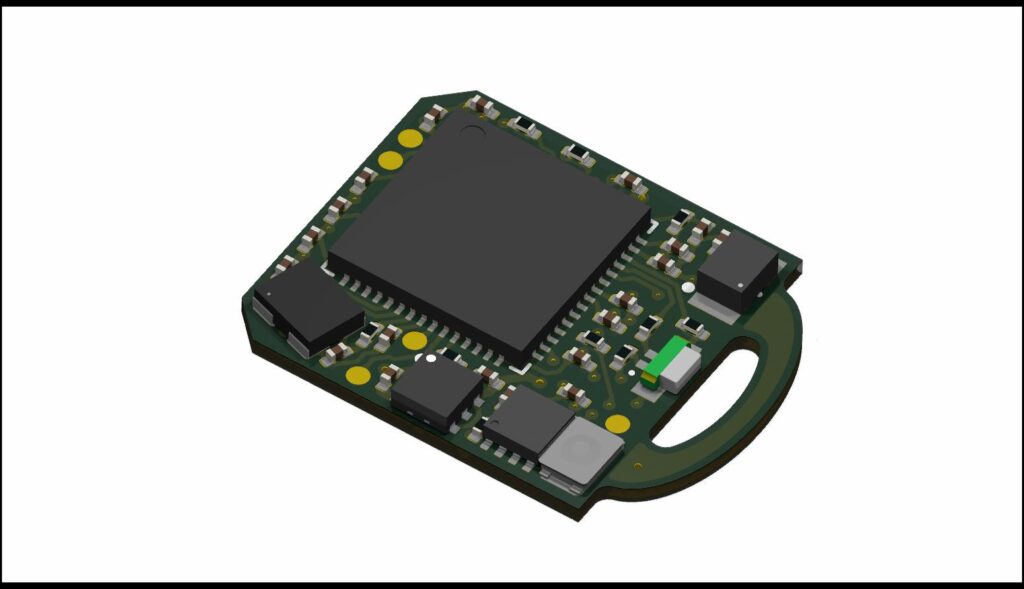
Simple, Open, Flexible, Easy
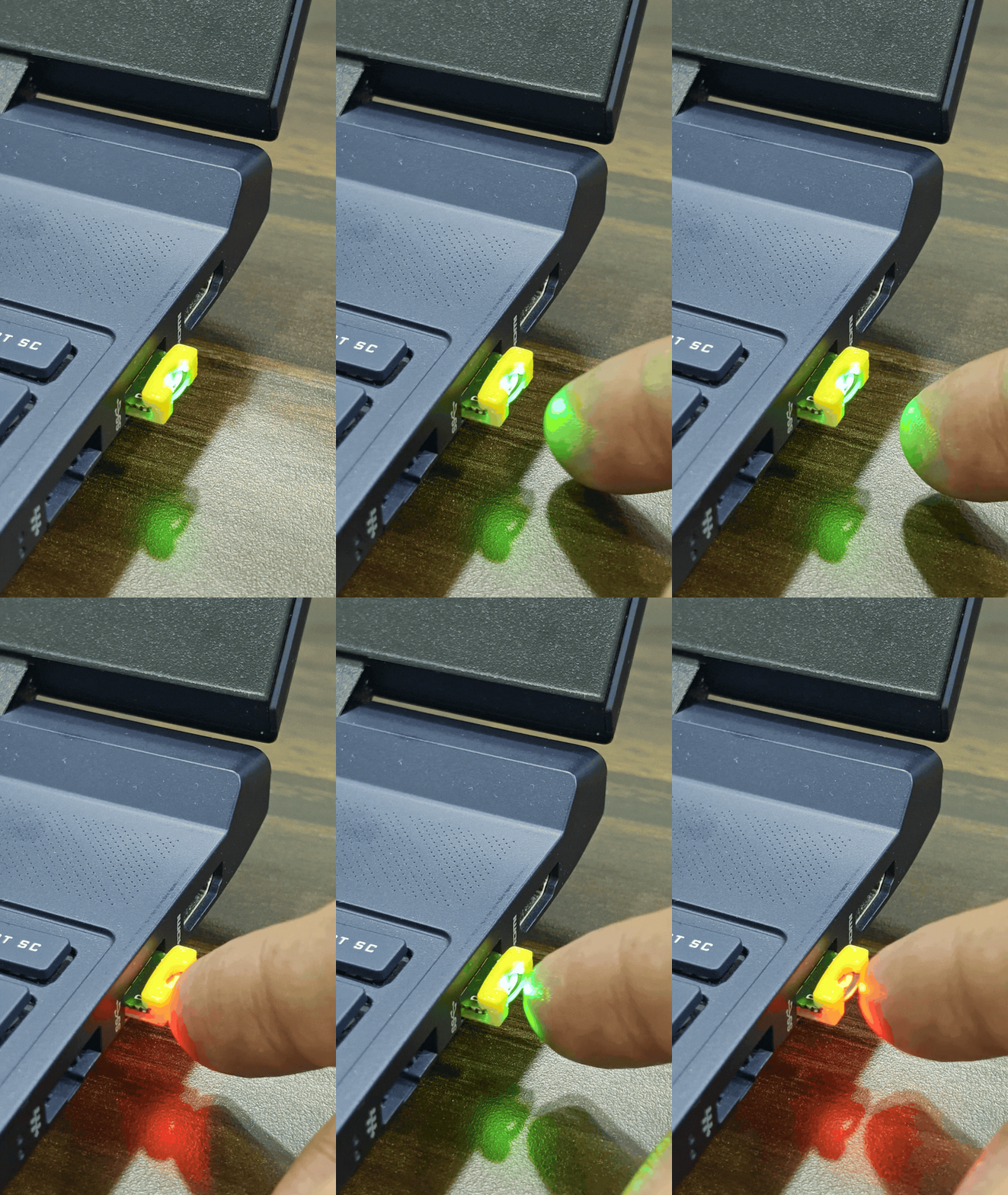
Romu is simple. It is an ultra-compact USB Type-A development board that fits almost entirely inside a computer’s USB port. It acts as a plug-and-play quick-start tool, eliminating the need for cables or external programmers. For interaction, it features an onboard RGB LED indicator, a capacitive touch button, and a boot button.
Romu is open. Romu is entirely open hardware. Before shipping to backers, all design documentation will be released on GitHub under open-source licenses. This allows you to freely inspect the schematics, PCB design files, the bill of materials (BOM), MicroPython scripts, and 3D STL files.
Romu is flexible. Maybe you want to be able to put your computer to sleep or wake it up from a USB hub. You can easily load software onto Romu that maps its built-in capacitive touch button to perform those exact custom actions. You can turn any USB port into an input device simply by uploading new software to it. Beyond simple inputs, it is highly capable, powered by the Raspberry Pi RP2354A. For developers needing deeper access, a custom Programming and Debugging Jig exposes the SWD interface for hardware debugging and provides dedicated pin breakouts for UART serial communication.
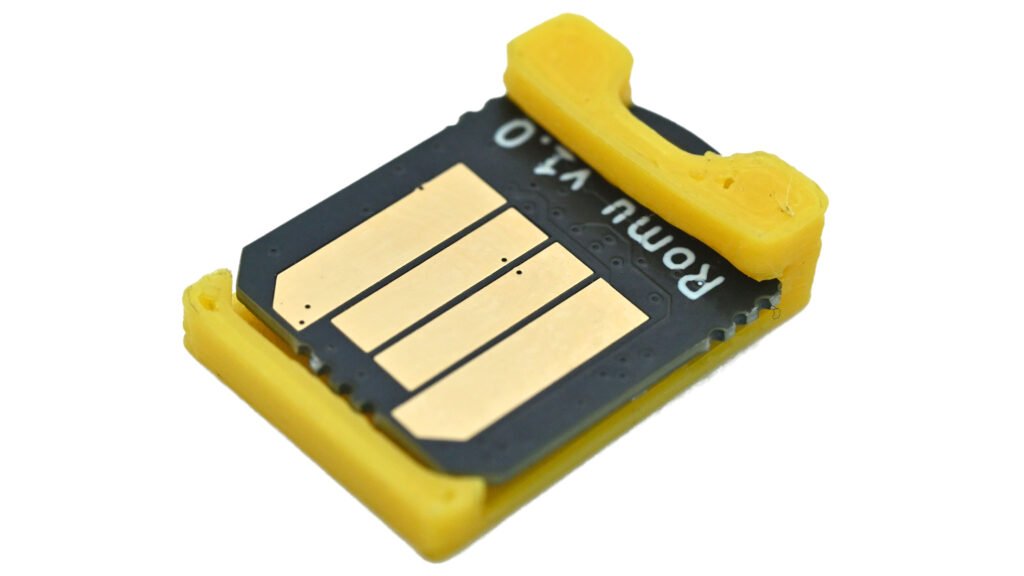
Romu is easy. It is designed to be highly approachable for beginners while remaining powerful enough for seasoned embedded developers , and it includes a preinstalled 3D-printed shim for a snug fit. Furthermore, Romu can definitely be used as a Universal 2nd Factor (U2F) token. By flashing it with an open-source FIDO authenticator firmware, the built-in capacitive touch button handles the physical user presence verification required to prevent automated attacks.
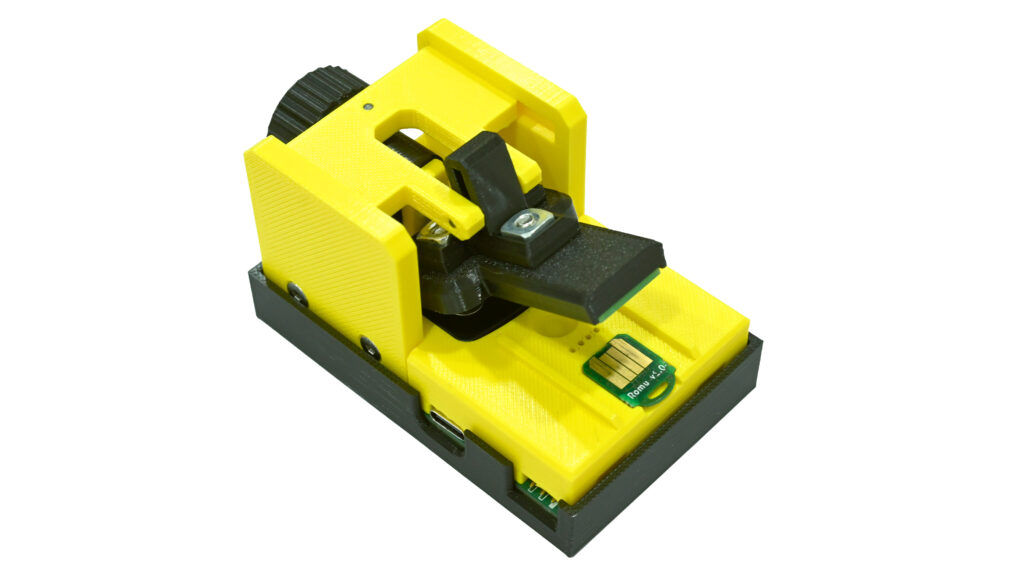
Advanced Development with the Romu Jig
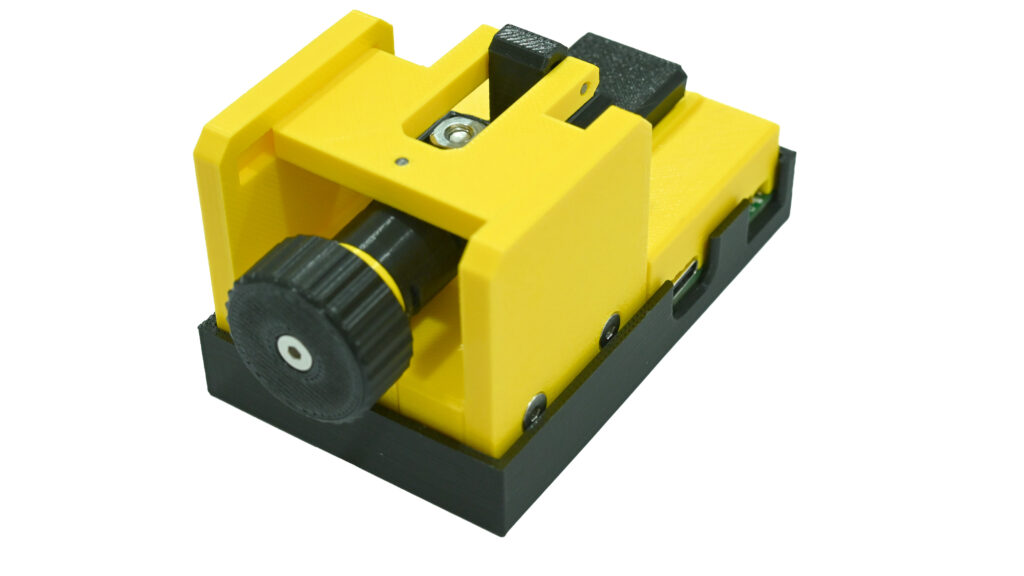
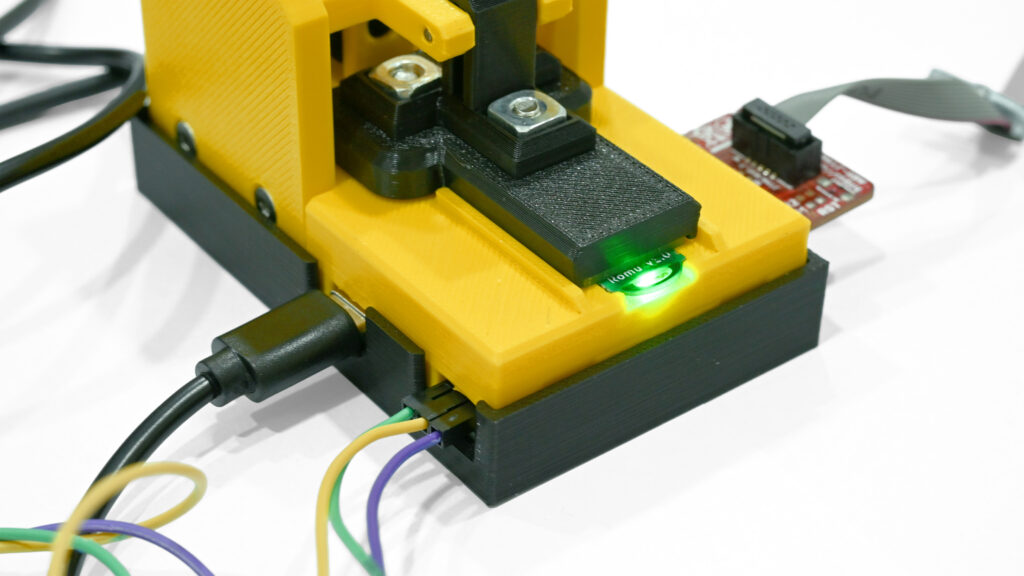
For developers needing deeper access to the RP2354A, we have designed a custom Programming and Debugging Jig. Simply place Romu on the Jig’s bed and rotate the knob to lower the front hood, which sandwiches the PCB firmly into place. Precision pogo pins seamlessly connect to the board’s test points to unlock:
- USB Type-C Connectivity: Delivers power and data without needing a traditional Type-A slot.
- Hardware Debugging: Exposes the SWD interface through a standard 20-pin JTAG connector.
- Serial Communication: Provides dedicated pin breakouts for UART (RX & TX).
Open Source

Romu is an open source project. The Hardware files, PCB design files, the bill of materials (BOM), 3D STL files for both the enclosure and the Jig will be made available on GitHub, enabling developers, makers, and researchers to explore, modify, and build upon the platform.
Specifications
- Microcontroller: Powered by the Raspberry Pi RP2354A, featuring Dual Arm Cortex-M33 or dual Hazard3 RISC-V processors at 150 MHz.
- Memory: Includes 520 KB of SRAM and 2 MB of Flash storage.
- Connectivity & Power: Uses a native USB 2.0 Full-Speed interface, drawing 5V from USB which is regulated to 3.3V onboard.
- Interactivity: Built-in RGB LED indicator, a capacitive touch button for input, and a boot button for easy firmware flashing.
- Physical Footprint: The PCB measures an incredibly tiny 15.5 mm × 12 mm × 1.65 mm.
- Enclosure: Ships with a preinstalled 3D-printed shim to ensure a secure, snug fit.
Documents
Romu Demo Images
In the Press





Learn more at CrowdSupply

For bulk orders, hardware customization, or white-label branding inquiries, please contact our team at contact@bitmerse.com